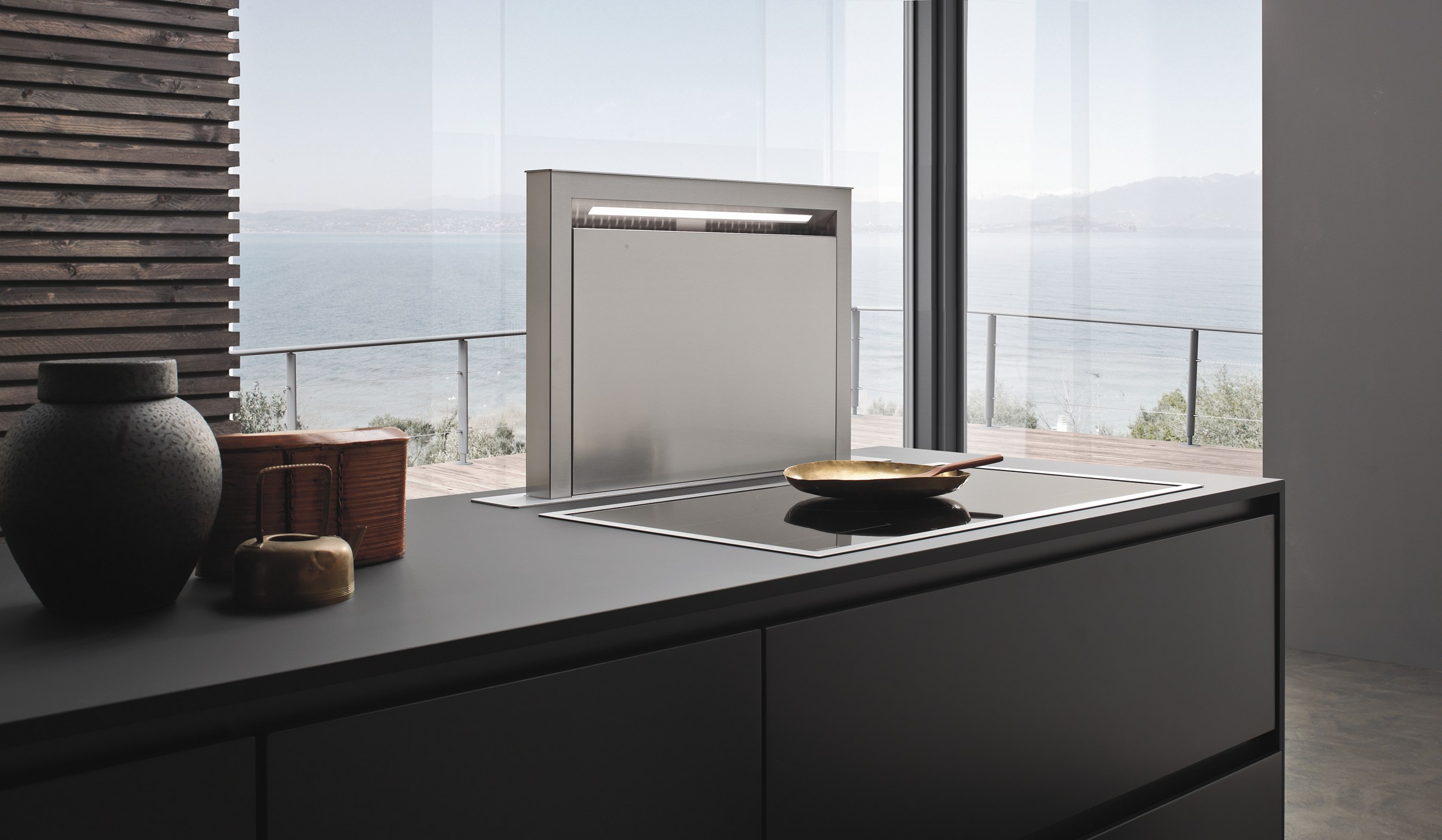
In professional bathroom design, the vanity is rarely just a piece of furniture. It is the structural and visual anchor of the room. A well-chosen bath vanity determines how the space functions daily — how storage works, how lighting interacts with surfaces, and how comfortable the room feels during morning routines.
Clients often begin by focusing on tiles or fixtures, but in practice the first decision I guide them toward is selecting the right vanities for the bathroom. Once that element is correct, the rest of the design becomes significantly easier to organize.
Below are the key principles I use when helping homeowners choose the right bathroom vanity with sink for their space.
Why the Bathroom Vanity Is the Centerpiece of the Room
From a design perspective, the vanity performs three essential functions simultaneously:
- Storage system
- Sink support structure
- Primary visual element
Because of this, the proportions of the bathroom vanity cabinet with sink must be carefully aligned with the scale of the bathroom.
In smaller bathrooms, oversized furniture creates congestion and reduces movement space. In larger bathrooms, however, a vanity that is too small makes the room feel unfinished and visually empty.
For example, in a recent master bathroom project measuring about 9 square meters, we installed a long modern bathroom vanity with integrated drawers and two sinks. This allowed both homeowners to use the space simultaneously while maintaining a clean horizontal design line across the wall.
Floating vs Floor-Mounted Vanities
One of the most common questions clients ask is whether to choose a floating vanity or a traditional floor-mounted cabinet.
Floating Vanity
A floating bath vanity is mounted directly to the wall and leaves open space beneath the cabinet. Designers often recommend this solution when:
- The bathroom is compact
- The goal is a lighter visual aesthetic
- Under-cabinet lighting is planned
Floating designs are particularly common in contemporary interiors because they visually expand the room.
Floor-Mounted Vanity
A floor-mounted bathroom vanity cabinet with sink offers greater storage capacity and structural stability. I usually recommend this option for family bathrooms where daily use requires more organization space.
These cabinets often include deep drawers or integrated bath cabinets that help store towels, cleaning products, and personal care items without cluttering countertops.
Choosing the Right Vanity Size
Vanity dimensions should always be determined by bathroom layout rather than personal preference alone.
Here is a simplified sizing guideline I typically discuss with clients:
| Bathroom Size | Recommended Vanity Width |
|---|---|
| Small bathroom | 60–80 cm |
| Standard bathroom | 90–120 cm |
| Master bathroom | 140–180 cm |
In larger master bathrooms, a double sink configuration can dramatically improve functionality. A wider vanity not only accommodates two sinks but also introduces additional drawer storage, which reduces countertop clutter.
This is one reason many designers prefer larger vanities for the bathroom in primary suites — they support both aesthetics and daily convenience.
Materials That Work Best in Bathroom Furniture
Bathroom environments present unique challenges: humidity, temperature fluctuations, and constant water exposure. Selecting appropriate materials is therefore critical.
Professional designers typically rely on several durable options:
Engineered Wood with Moisture Protection
High-quality engineered panels treated with moisture-resistant coatings remain one of the most reliable materials for bath cabinets.
They resist warping while allowing a wide variety of finishes — matte lacquer, wood veneer, or textured laminates.
Natural Wood Accents
Solid wood is rarely used for entire cabinets in modern bathrooms, but it works beautifully as an accent material on drawer fronts or side panels.
When integrated into a modern bathroom vanity, wood adds warmth and prevents the room from feeling overly sterile.
Stone or Composite Countertops
Countertops paired with a bathroom vanity with sink should prioritize durability. Quartz, porcelain, and engineered stone are excellent choices because they resist staining and require minimal maintenance.
European Influence in Modern Vanity Design
Over the past decade, many homeowners have shifted toward the clean geometry associated with european bathroom vanity designs.
These vanities emphasize:
- Minimal hardware
- Handle-less drawers
- Thin countertops
- Integrated sinks
The result is a streamlined aesthetic that feels architectural rather than decorative.
For instance, in several recent projects we installed floating vanities with concealed drawer systems and thin porcelain countertops. This approach allowed the bathroom vanity cabinet with sink to appear almost like a built-in architectural element rather than standalone furniture.
Storage Strategy: Designing for Real Life
A beautiful vanity fails quickly if storage is poorly planned. When designing vanities for the bathroom, I typically divide storage into three zones:
Daily-Use Drawer
Top drawers are ideal for frequently used items — toothbrushes, cosmetics, and grooming tools.
Secondary Storage
Mid-level drawers can hold folded hand towels and personal care products.
Hidden Storage
Lower cabinets are best reserved for cleaning supplies or bulk toiletries.
This layered storage strategy keeps the countertop of the bathroom vanity with sink clean while ensuring everything remains easily accessible.
Lighting and Mirror Integration
Another design element often overlooked during vanity selection is lighting.
A well-designed modern bathroom vanity works together with mirror placement and lighting fixtures. Ideally, vertical lighting should be installed on both sides of the mirror rather than overhead alone. This eliminates shadows and provides more even facial illumination.
For floating vanities, under-cabinet LED lighting is also an excellent addition. It enhances nighttime visibility while emphasizing the architectural lines of the vanity.
Final Thoughts
Selecting the right bath vanity is not simply about choosing a cabinet that fits the wall. It requires careful consideration of proportions, materials, storage needs, and overall design style.
When chosen correctly, the vanity becomes the organizing structure of the entire bathroom. A well-designed bathroom vanity cabinet with sink supports daily routines, keeps surfaces uncluttered, and visually defines the room.
Whether the goal is a compact floating unit or a large european bathroom vanity for a master suite, the guiding principle remains the same: furniture must work as intelligently as it looks.
Thoughtful design always begins with that balance.